
Arrest Warrants in Jasper County
An arrest warrant in Jasper County lets a lawful officer take someone into custody once a judge has reviewed the facts. The county's Bond Court page lays out the first step for a citizen: make a report to the Sheriff's Department. From there the department writes an incident report and decides whether the matter should move forward by warrant or by courtesy summons. Which judicial officer signs depends on the charge and the court. South Carolina law demands proper form and judicial authority. A sworn complaint or affidavit supplies the facts for that review. Jasper County publishes no live arrest-warrant database on its county or sheriff pages, so a warrant is never confirmed by a roster entry. Confirm status with the issuing court instead.
Jasper County Arrest Warrants Begin With Review
Jasper County's Bond Court instructions send a citizen's report to the Sheriff's Department first. The Sheriff prepares an incident report. Then the department decides between an arrest warrant and a courtesy summons. In other cases, an officer submits a sworn statement to the judicial officer with authority over that court. The legal record should identify the issuing court, the offense, the basis for probable cause, and the officer authorized to serve the papers. S.C. Code Title 17 Chapter 13 governs arrest and search process in South Carolina. Note the difference: a search warrant authorizes a search of described property, not an arrest. A blank search-warrant form is not a live Jasper County warrant entry. The county's Bond Court instructions and the official South Carolina Title 17 Chapter 13 give the full procedures.
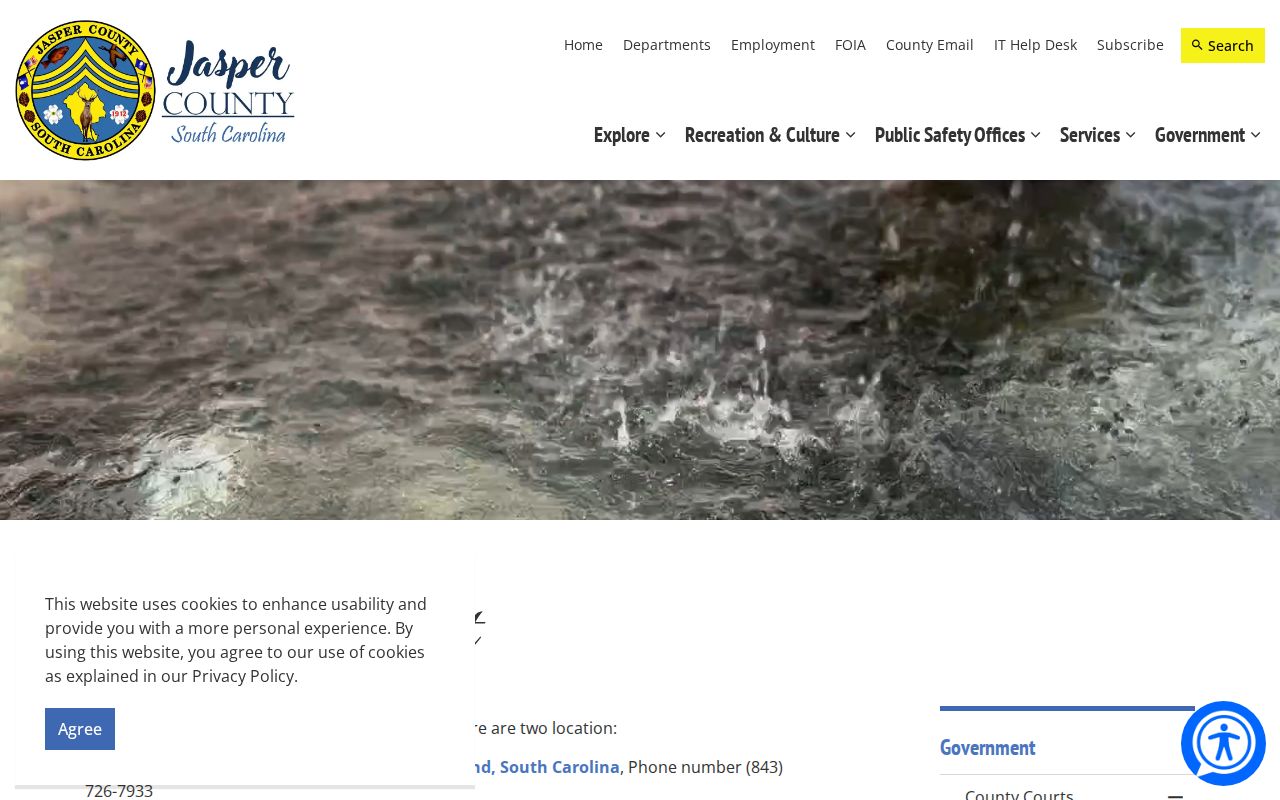
The court directory distinguishes Ridgeland and Hardeeville summary-court offices from General Sessions.
What a Jasper County Arrest Warrant Contains
Jasper County publishes no live warrant list, number pattern, or bond schedule. South Carolina's prescribed forms and Title 17 framework suggest the common fields. Treat any field outline as a blank record schema, not a sample tied to a person. Ask the issuing office for the actual case and its current status.
| Case identifier | Warrant number format not published; a case number may link to the court file. |
|---|---|
| Charge or offense | Names the alleged offense and related case classification. |
| Issuing authority | Identifies the judge or magistrate and the court or municipality. |
| Probable-cause basis | May refer to a complaint, report, or affidavit. |
| Service and return | Shows the authorized officer and service or return details. |
| Bond and custody | Case-specific terms may be recorded; no universal Jasper amount is posted. |
Jasper County Warrant Record Fields
A warrant form in Jasper County can carry the state, county, court, issuing judge, issue date, command, and officer return. The affidavit or complaint supplies the factual basis. Identifiers may be redacted. Active-investigation material can be withheld from a public response. The schema explains the document; it is not proof of anyone's current status. South Carolina's court forms index lists SCCA523 for bench warrants and SCCA513 for search warrants. Neither form tells you a person holds a live warrant. Jasper County's official sources offer no public arrest-warrant list, number prefix, or active-status legend. Use the official South Carolina court forms index for the state form listings.
How Jasper County Arrest Warrants Are Served
The Sheriff's Office serves county process in Jasper County. Ridgeland Police and Hardeeville Police handle law-enforcement matters inside their cities. The South Carolina Highway Patrol also shows up in Jasper County warrant and traffic routes. Rule 30 covers bench-warrant service; arrest-warrant service depends on the order and the officers authorized under it. After service, the court receives a return or status record. Booking then falls to the Detention Center. Jasper County centralizes county criminal bond hearings at Bond Court. The county says municipal judges set bond after Ridgeland or Hardeeville arrests. No universal 24-hour or 48-hour booking promise applies to every arrest. Ask the court or counsel about your case's schedule, and check the county's Detention Center page and Central Bond Court page for locations and contacts.
Jasper County Arrest Warrant Service Route
The route is straightforward. A court or judge issues the order. A clerk or agency records it. An authorized officer serves it, and the court receives the return. If the person is booked, detention and bond follow. Later court action may recall, quash, or otherwise close the warrant while the underlying case continues, and a serving agency never decides a court's final disposition. For your own case, ask which court issued the warrant and which agency holds the service record. A recent JCSO press release shows warrant operations happen, but a press archive is not an active-warrant database. JCSO's official press archive posts agency announcements in Jasper County without replacing a court record.
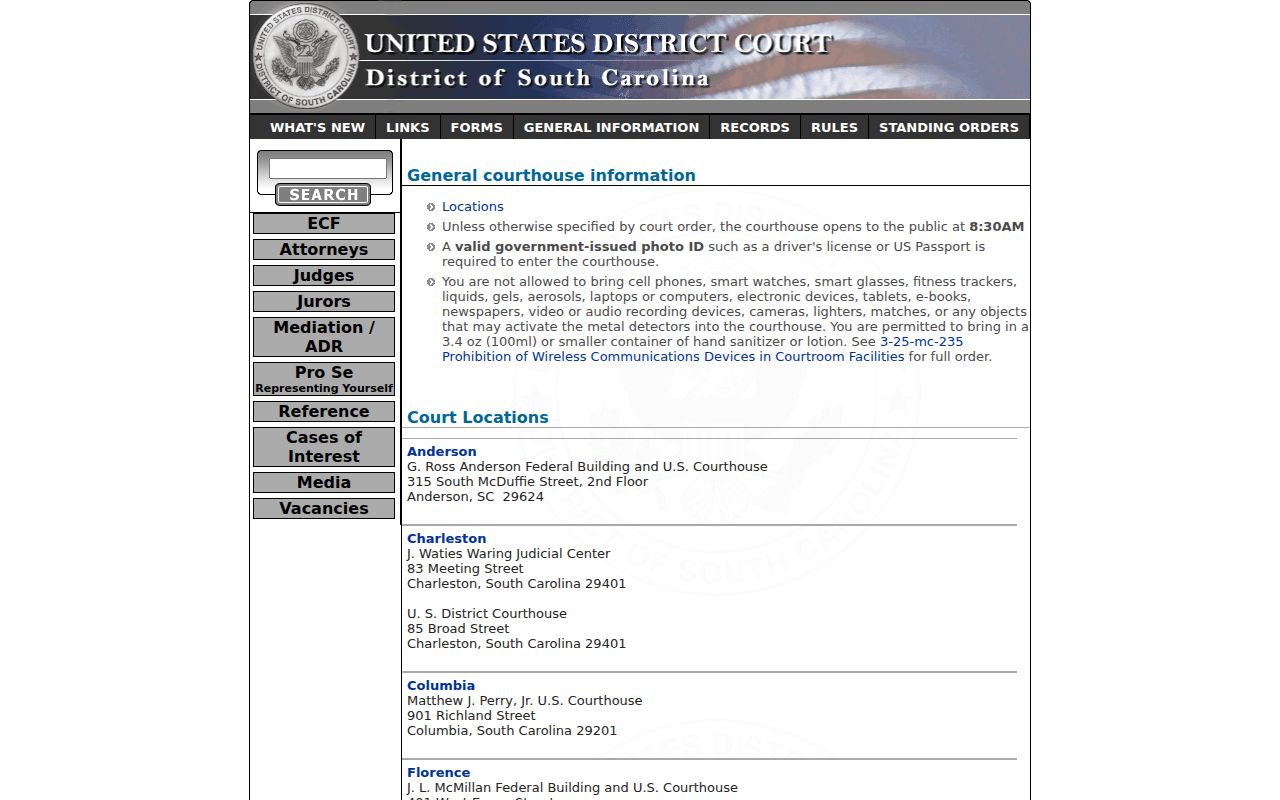
Federal court records follow a separate path from Jasper County sheriff and state-court records.
Arrest Warrant vs Summons vs Bench Warrant
Jasper County's Bond Court describes the Sheriff's choice between a warrant and a courtesy summons after a report. A summons directs a person to appear. An arrest warrant authorizes custody on probable cause, while a bench warrant brings someone back to court on an existing case obligation. Read the court and order before assuming how to respond.
| Feature | Arrest Warrant | Summons | Bench Warrant |
|---|---|---|---|
| What it orders | Take a person into custody | Appear on a stated date | Return before the court |
| Basis | Probable-cause review | Notice to appear | Missed date or court noncompliance |
| Who controls next step | Issuing court and authorized officer | Court named on notice | Court handling the existing case |
| What to ask | Charge, surrender, and bond route | Appearance date and court | Recall, reset, payment, or bond |
Jasper County Federal Warrant Questions
Federal matters sit outside the Jasper County system. A federal warrant question belongs to the U.S. District Court for the District of South Carolina and the U.S. Marshals Service, not the Jasper Public Index. PACER can show some unsealed docket events. Even so, it is not a complete real-time warrant search. Sealed filings and recent law-enforcement actions may never reach a public docket. A county search, SLED CATCH result, or traffic portal does not settle a federal question. Go through the assigned court, counsel, or a U.S. Marshals contact to verify status and next steps. Federal courthouse access rules and contacts also stand apart from the Jasper County Bond Court route. The District Court publishes its court locations and Charleston courthouse details for anyone who needs the right building. PACER docket access carries its own pricing, and the official PACER fee guidance lays out how those charges work before you pull a federal filing.
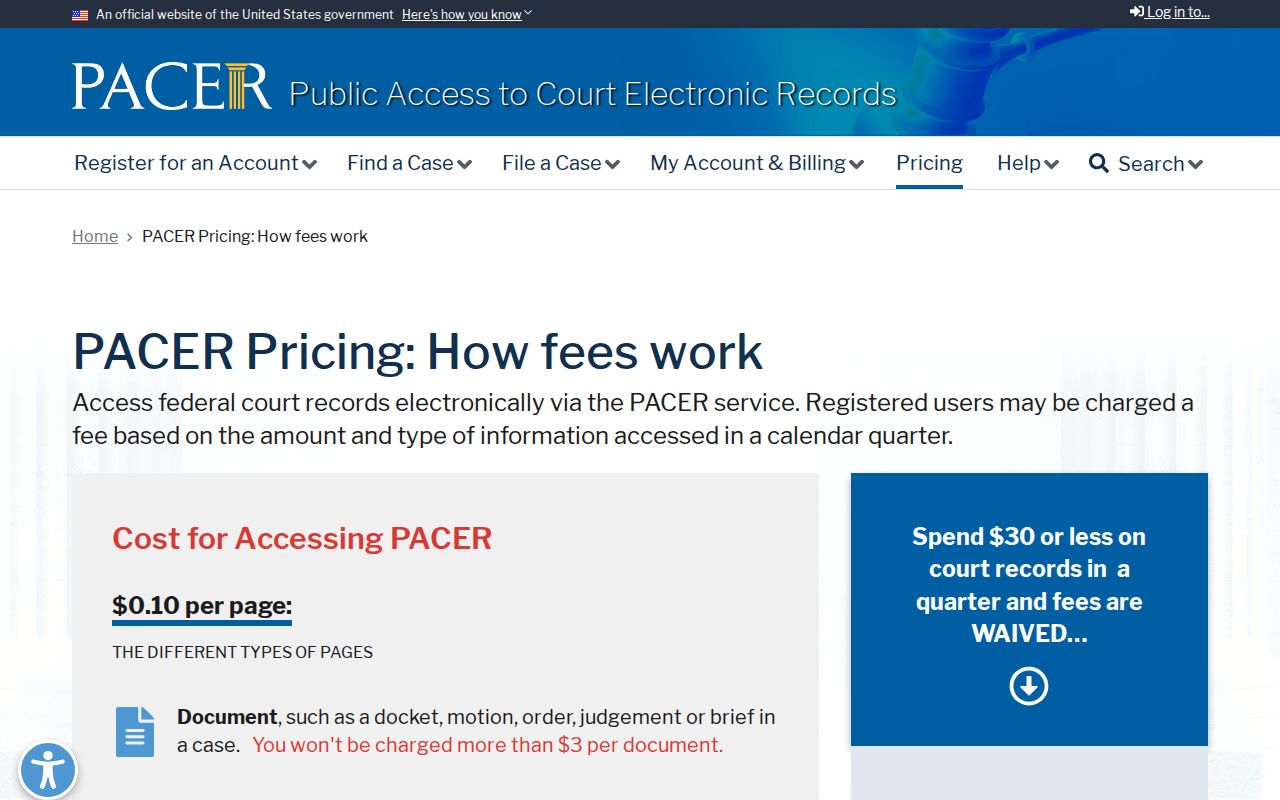
The fee page explains the federal search service; it is not a warrant-result page.
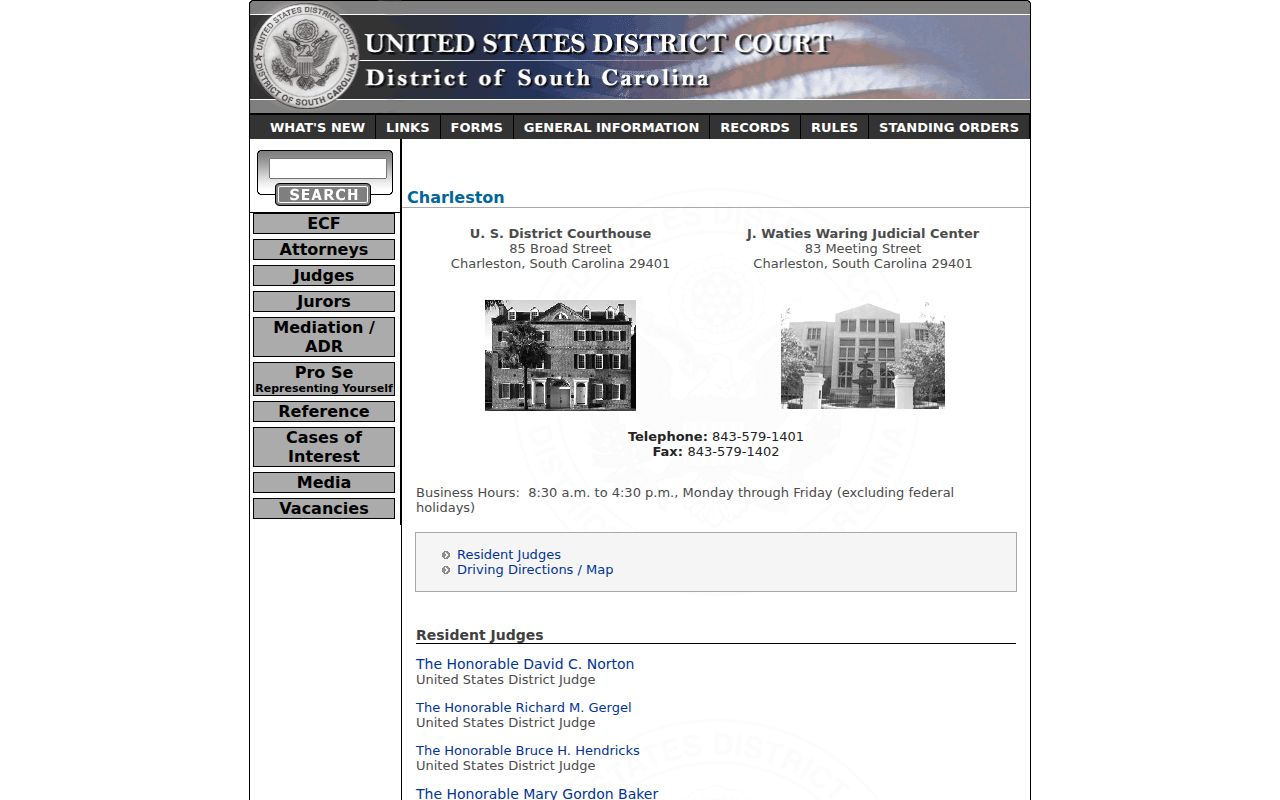
The federal contact screenshot is a routing reference, not an active warrant roster.
Jasper County Arrest Warrants Are Not Search Forms
South Carolina's blank SCCA513 form is a search-warrant form, not an arrest-warrant record for anyone in Jasper County. It only describes authority to search a named place or property on stated terms. Ask the criminal case's issuing court instead. A blank search form says nothing about a person.
What to Do If There Is a Warrant for You
Use a number you verified yourself. Call the Warrants Clerk about your status. The clerk can say whether to report to the Sheriff or to the issuing court. The county says to bring ID and be prepared to turn yourself in if its in-person check confirms a warrant. A lawyer can help arrange a hearing, surrender, bond review, or a motion to recall or quash. Jasper County publishes no guaranteed walk-through process. If the warrant is confirmed, ask which judge controls bond and whether another court or agency has a separate hold. Central Bond Court handles Jasper County matters, while municipal judges handle city arrests. Keep every receipt and recall order. Then verify the court's record after any action.
Important: Speak with counsel and the issuing court before you report. Never pay a caller who claims money will erase an arrest warrant.